
If Michelin Came to Indonesia, Who Would Get a Star?
If Michelin opened a restaurant guide in Indonesia, August would be our pick for a first star. Locavore NXT leads our Bali shortlist.
Does Indonesia have Michelin-starred restaurants?
As of November 2026, Michelin has yet to publish a restaurant selection for Indonesia. Michelin Keys recognise hotels. This is Eat & Laugh’s editorial shortlist, drawn from published menus and reporting on restaurants in Jakarta and Bali. Consistency takes repeat visits to judge.
Our first two picks
SCBD, Jakarta
August
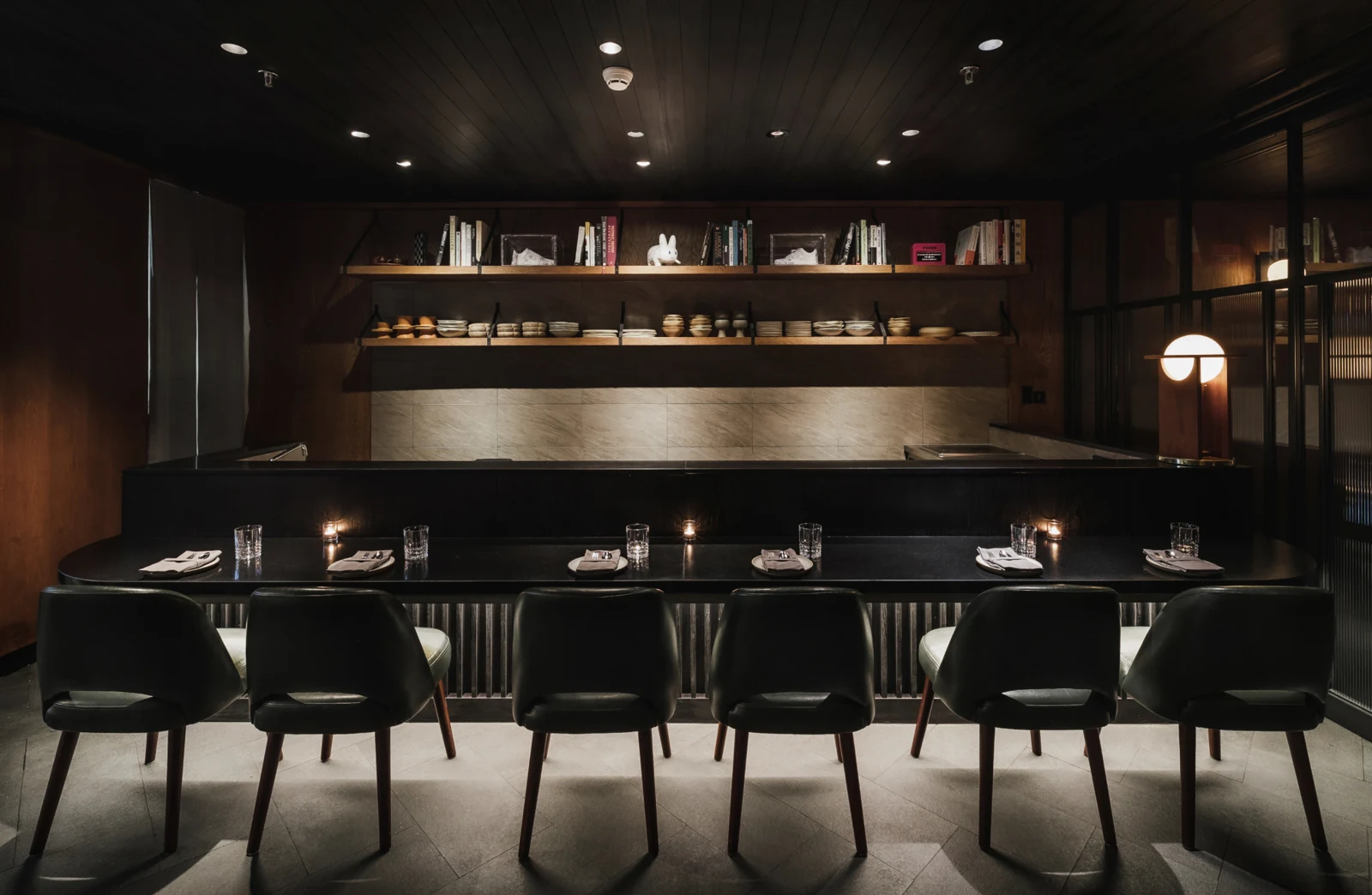
Hans Christian builds a tasting menu out of personal memories and Indonesian flavours. Take his Blitar chicken with fermented chilli and coconut milk. The dish tells you where the menu comes from and whose cooking it is. Asia’s 50 Best placed August at No. 42 in 2026 and named it its Best Restaurant in Indonesia for a third consecutive year. That track record and a menu with a clear point of view make August our first pick.
Ubud, Bali
Locavore NXT
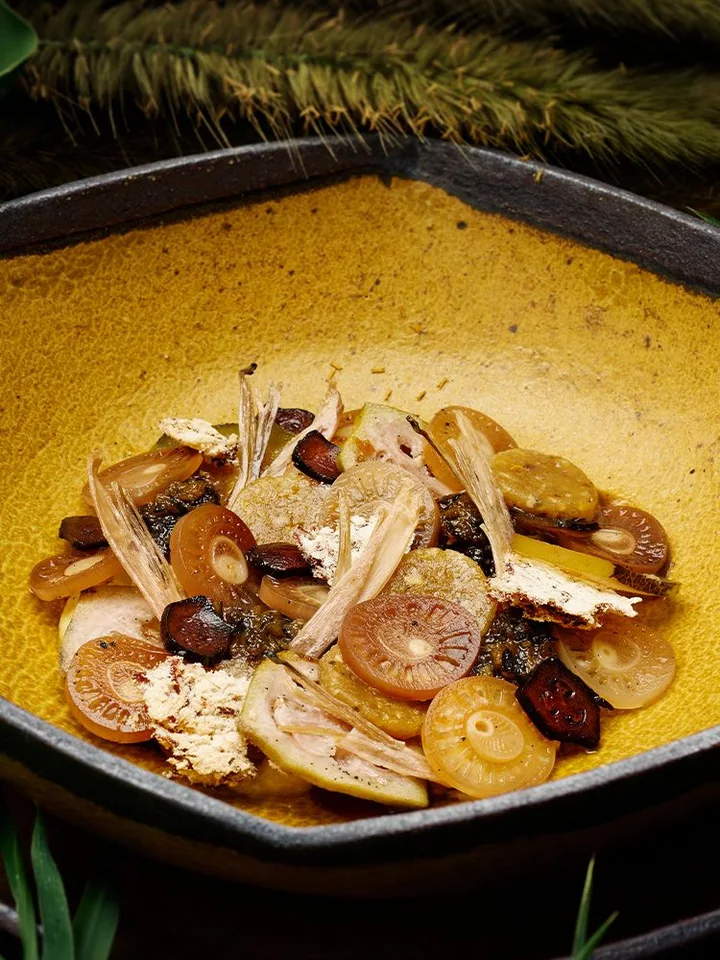
At Ray Adriansyah and Eelke Plasmeijer’s kitchen, the fermentation lab and use of local and foraged ingredients feed directly into the menu. One past course paired mud crab with bonito garum, a fermented seasoning that deepens the crab’s savoury flavour. Locavore NXT was No. 44 on Asia’s 50 Best in 2026. The next question for an inspector would be how well the kitchen carries its exacting approach from one season to the next.
Three more to watch
Cikini, Jakarta
Kindling
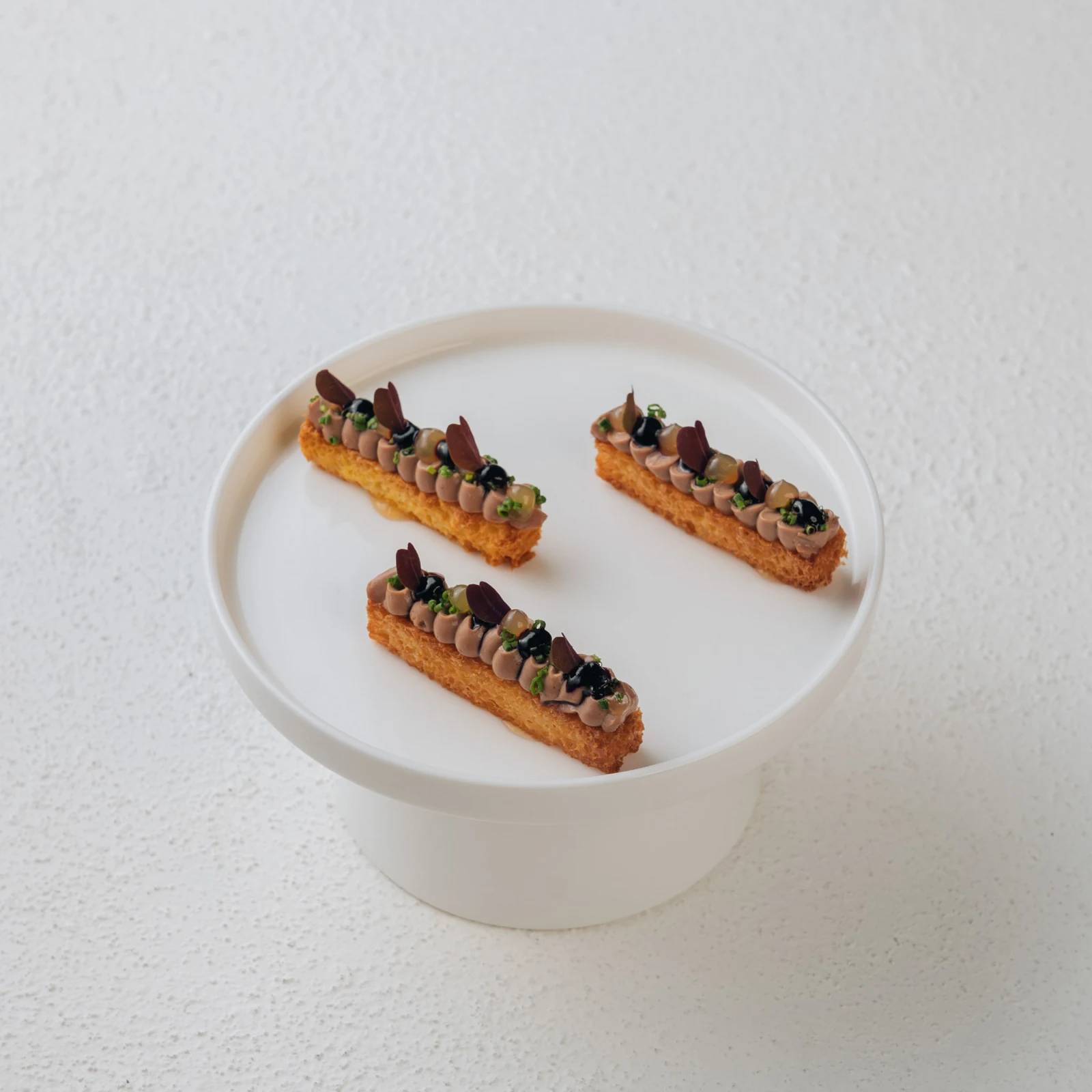
Vallian Gunawan brings French technique to a tasting menu shaped by Asian flavours. His paofan, a rice-and-broth course with spiny lobster, fish maw and ginkgo nuts, gives a familiar dish a personal touch. We’d look for the same character in the quieter courses as in the signatures.
Jimbaran, Bali
Rumari
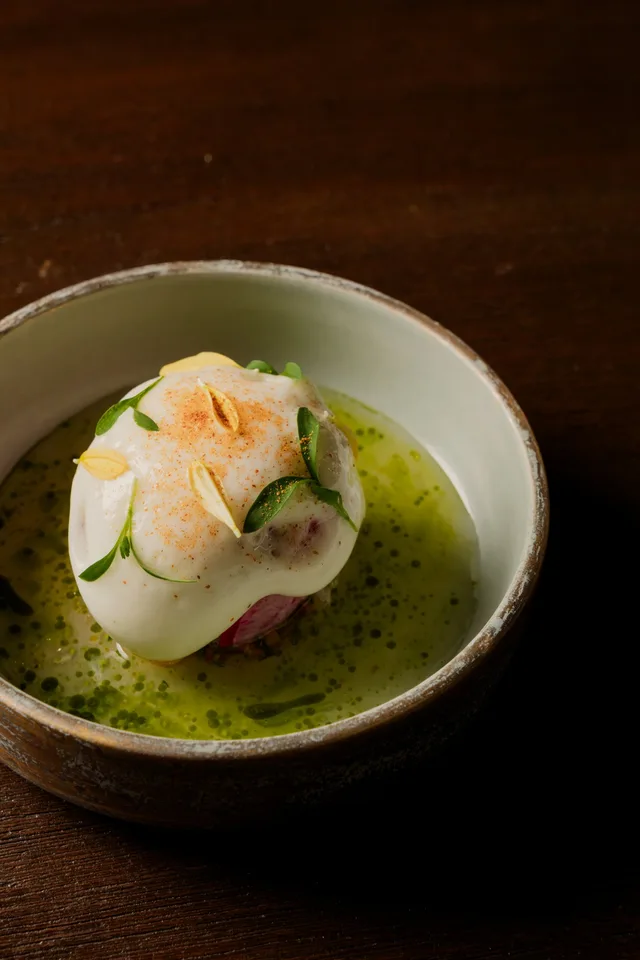
Rumari builds its progressive Indonesian menu around produce from the archipelago. Raffles says roughly 80 percent of its produce comes from Indonesia. The chef’s counter also serves a surprise menu based on what is available that day. That makes it an interesting test of Michelin’s consistency criterion. Can the kitchen maintain the same standard as the dishes change?
Ubud, Bali
Mozaic
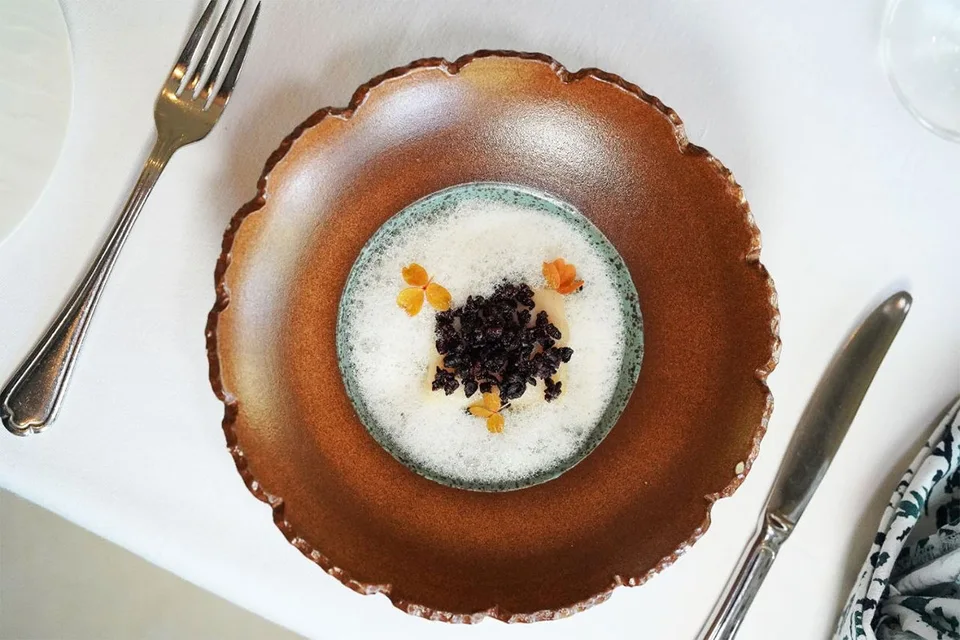
Mozaic puts Indonesian flavours to work in a precise tasting-menu format. One published menu pairs scallop with pomelo, torch ginger and rujak sauce. That combination is the reason we’d send an inspector here. It asks whether a kitchen can keep a delicate main ingredient in focus while giving bold local flavours a clear role.
How Michelin awards stars
Michelin’s inspectors dine anonymously and pay their bills. Different inspectors can visit more than once and compare their meals before the team decides. They reassess starred restaurants each year.
- Quality of ingredients
- Balance of flavours
- Mastery of cooking techniques
- The chef’s personality as expressed through the cooking
- Consistency across the menu and over repeat visits
The star is for the cooking, whether it comes from a street stall or a formal dining room. Bib Gourmand is a separate distinction for good cooking at good value.
- One star
- High-quality cooking worth a stop.
- Two stars
- Excellent cooking worth a detour.
- Three stars
- Exceptional cooking worth a special journey.
Michelin’s five criteriaInspection processGuide distinctions
From tyre guide to restaurant stars
In 1900, the Michelin tyre company gave French motorists a free handbook with maps and practical tips for the road. The first restaurant stars appeared in 1926. Michelin introduced its three-tier system in 1931 and published the criteria for the star rankings in 1936. The idea of travelling farther for better cooking still shapes what each level means.